Redesign for a real estate agency that specialises in resort apartments.
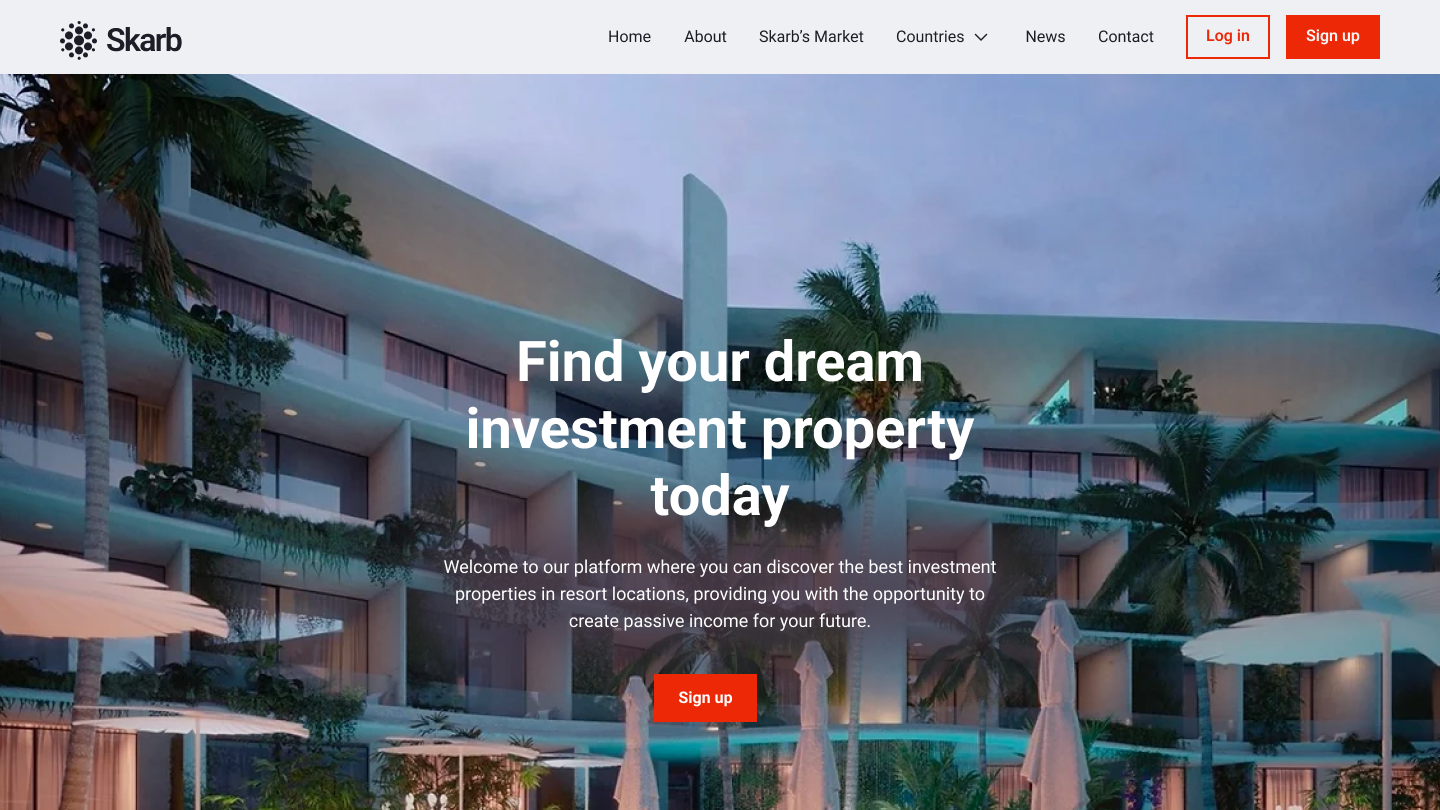
A website should inspire user trust. Regardless of what he is looking for there, he should be sure that the place he came to is solid, especially in the case of portals related to the purchase of real estate. The very nature of such a website requires the type of colours and the way of presenting information, which is why my project calmed and subdued the way of presenting content.
Role: UX/UI Designer
Duration: 2 weeks
Deliverables: Research, Information Architecture, Wireframing, Design System, Responsive Website Design
Challenge
Skarb Market specialised in overseas investment properties, including resort apartments and holiday developments.
The existing website attempted to present large amounts of information through animations, dense layouts and multiple competing calls-to-action.
For users considering investments worth hundreds of thousands of pounds, the experience felt visually busy and lacked the trust signals expected from a premium real-estate brand.
My Goal
Create a calmer and more credible digital experience that would:
increase trust
improve content discoverability
simplify navigation
support property exploration
reflect the premium nature of the business
Information Architecture
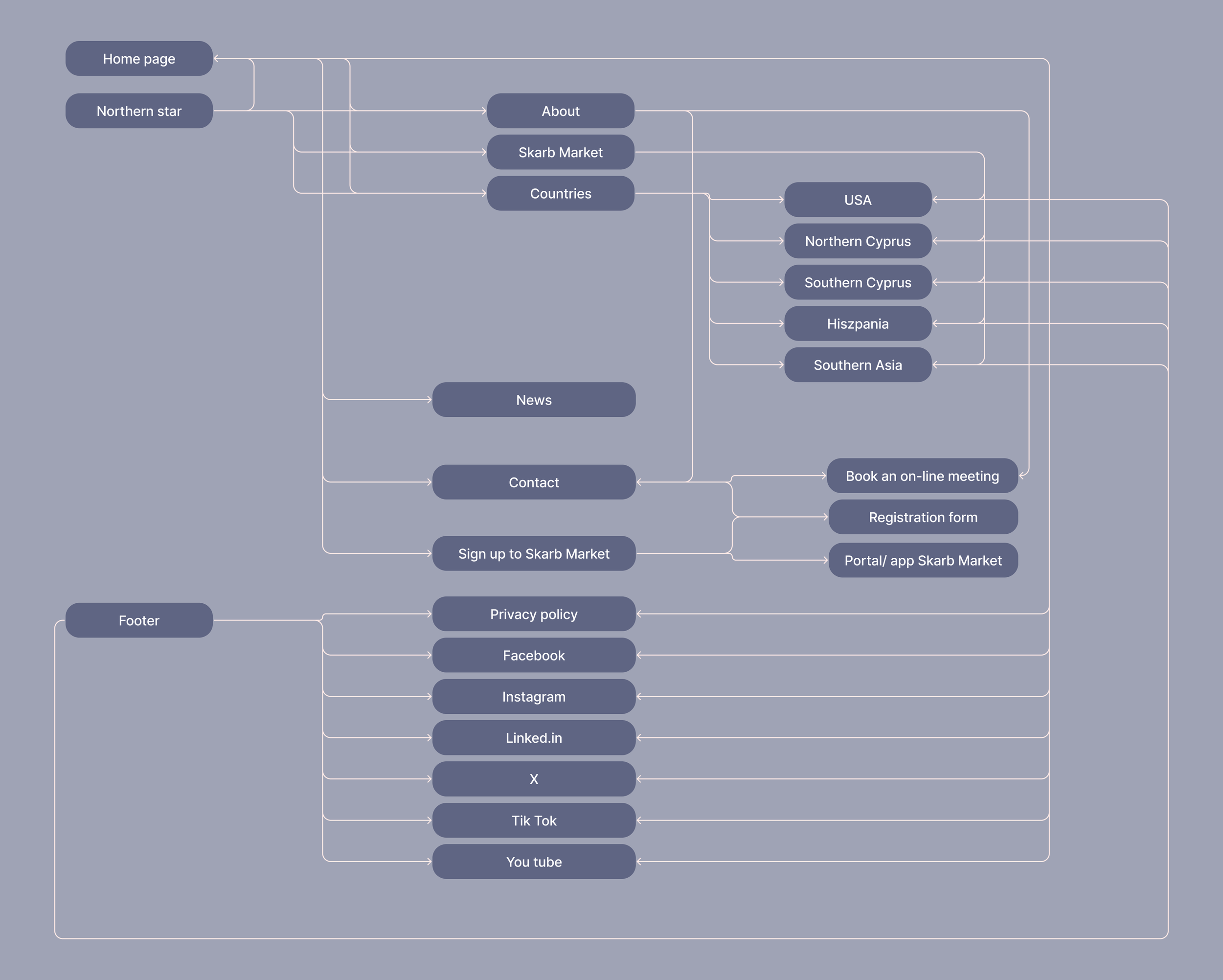
One of the first exercises was simplifying the website structure and reducing unnecessary navigation paths.
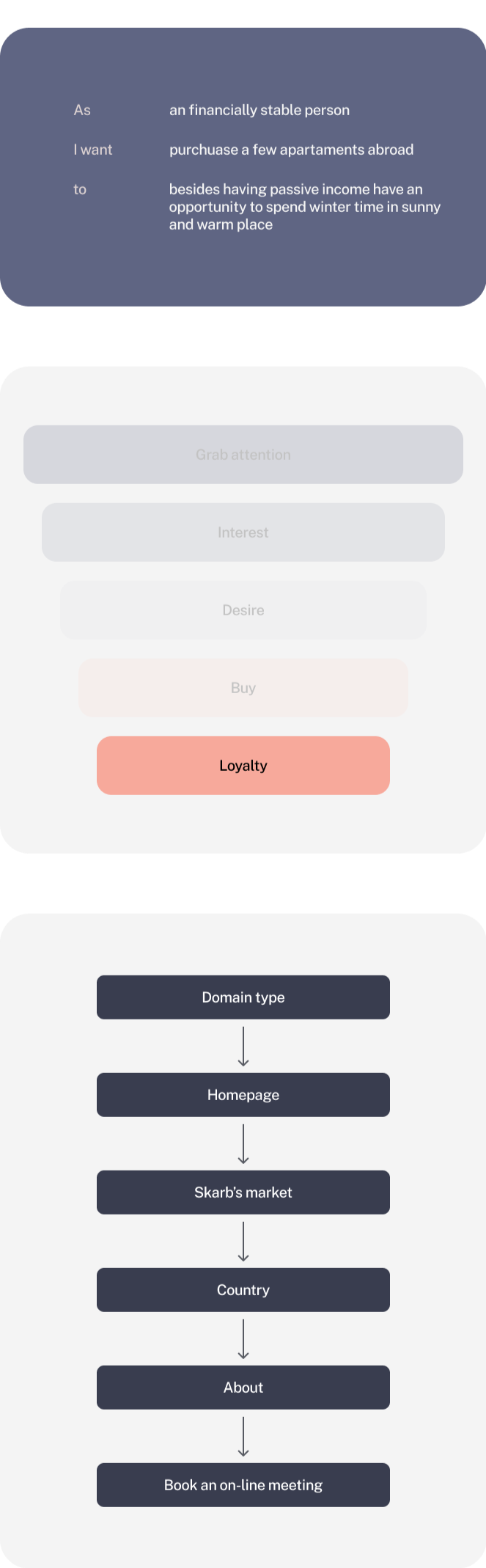
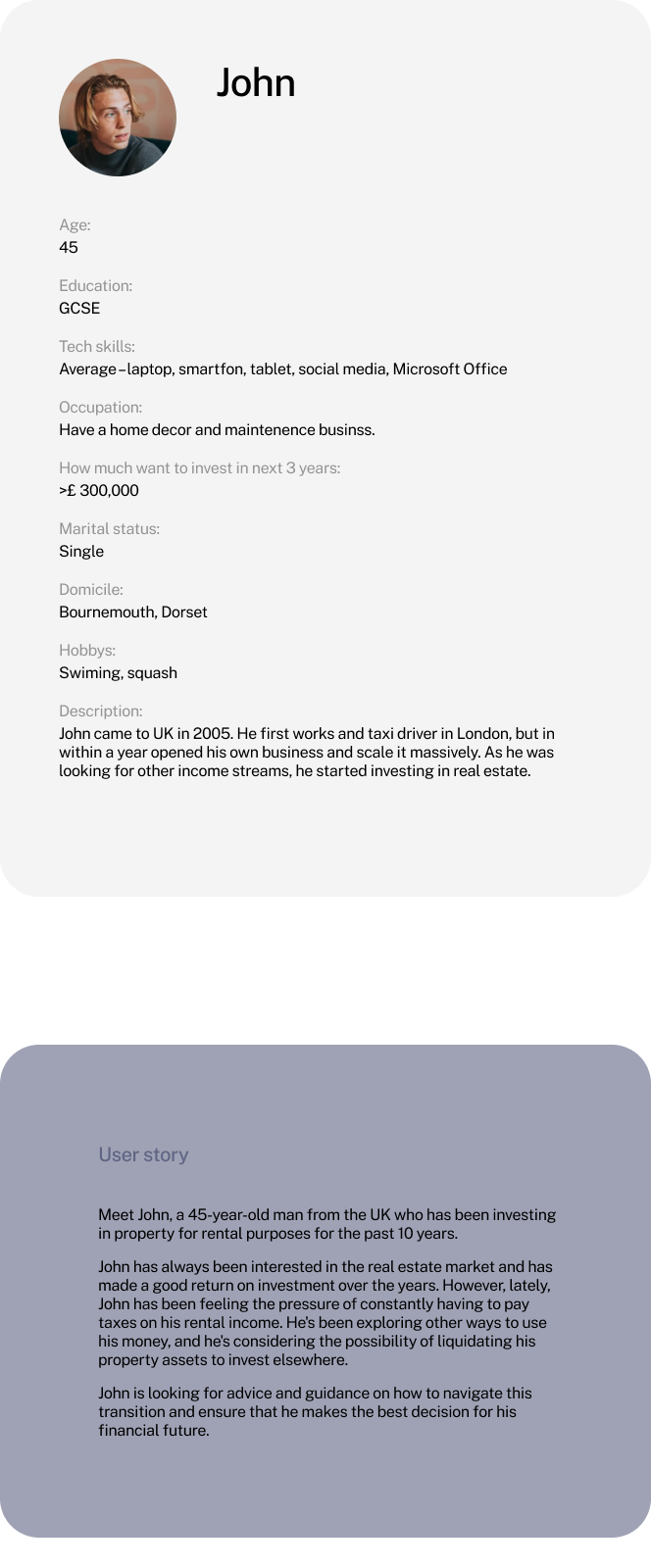
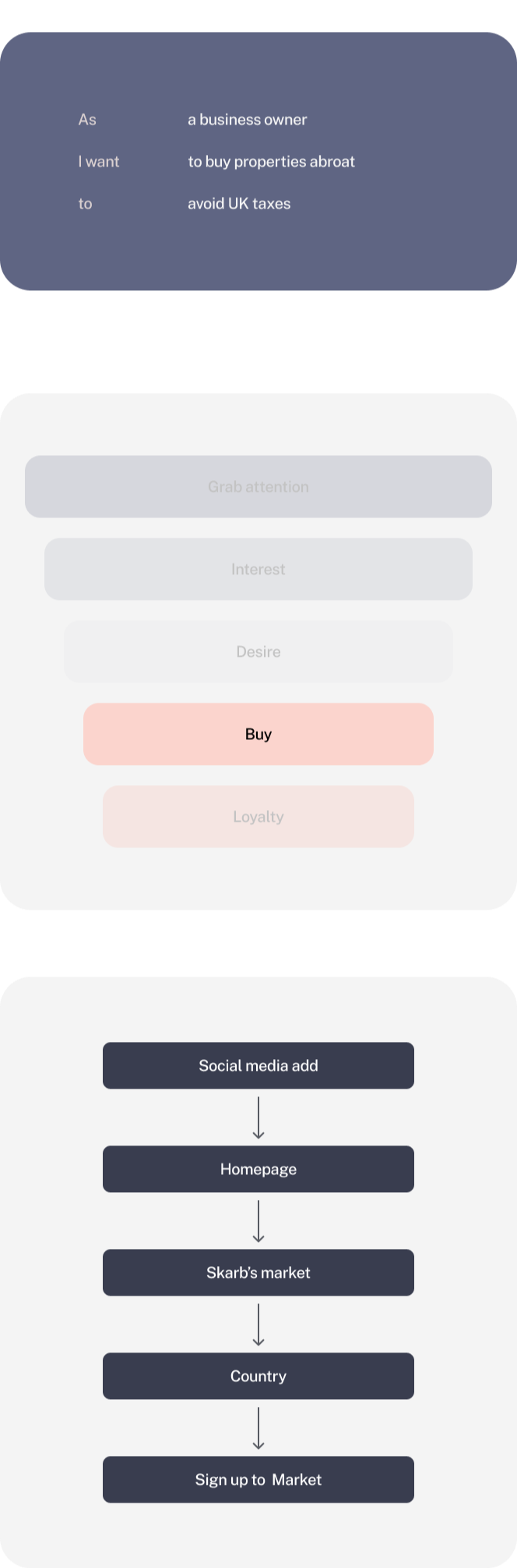
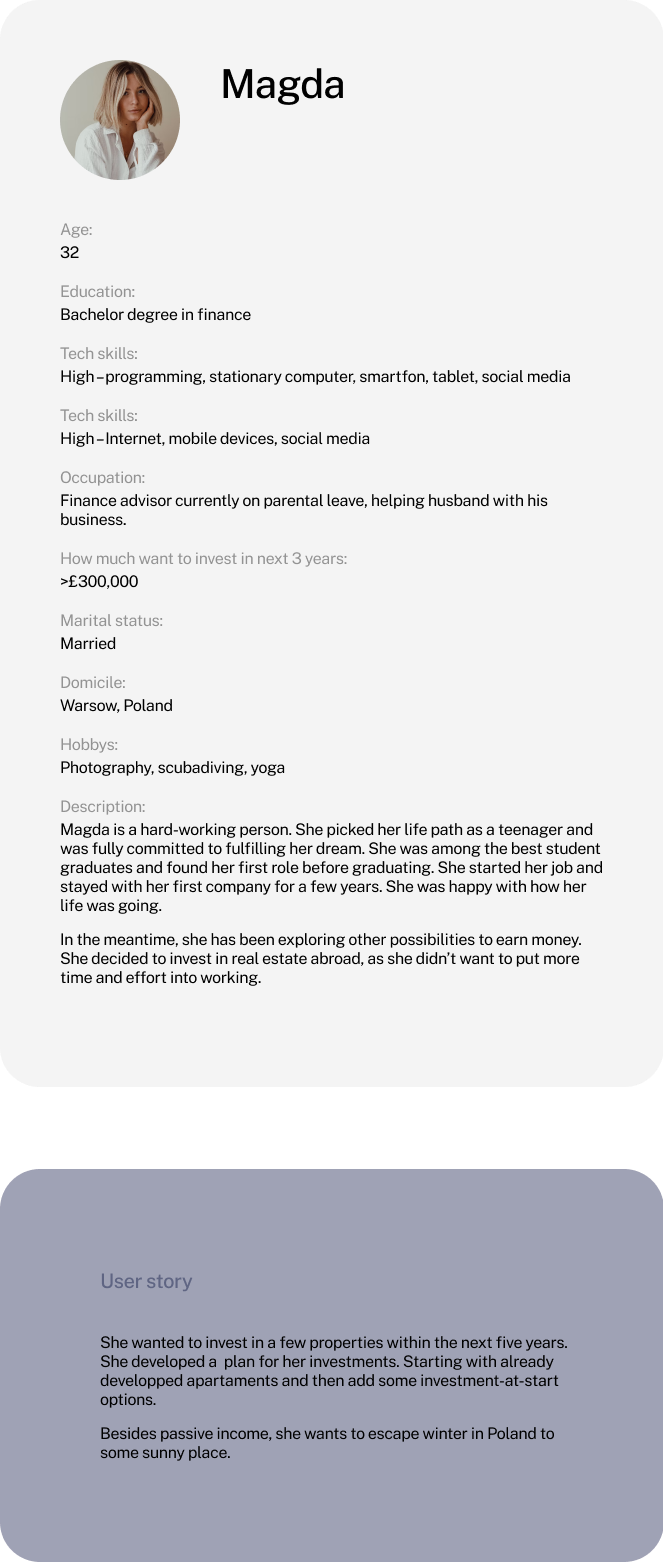
User Needs
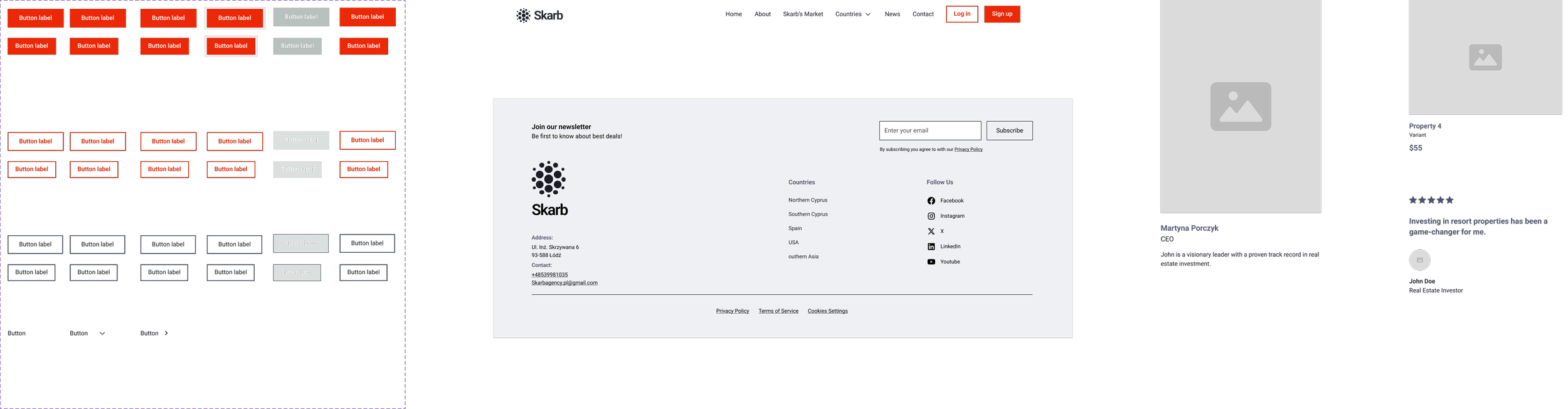
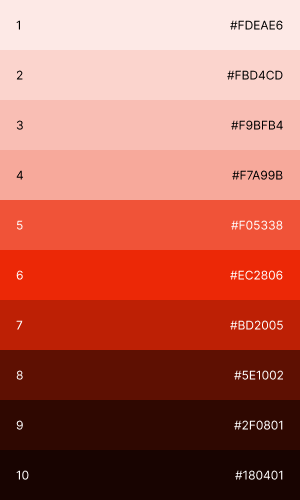
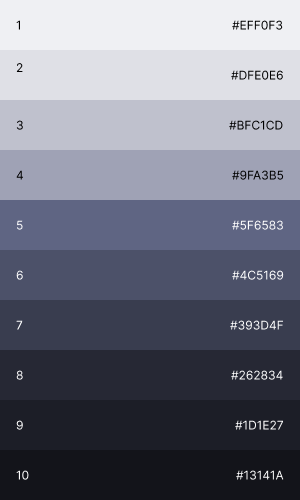
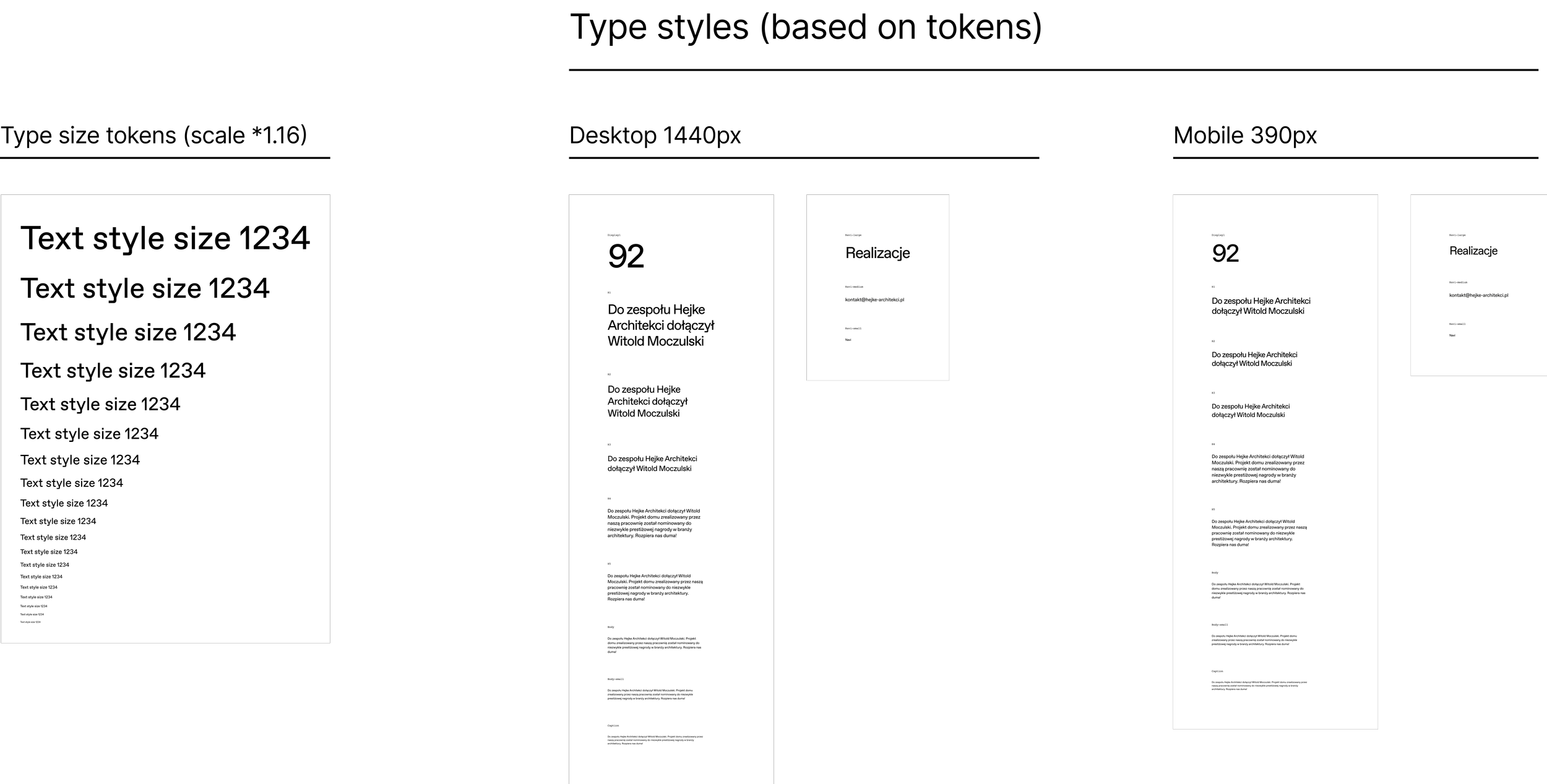
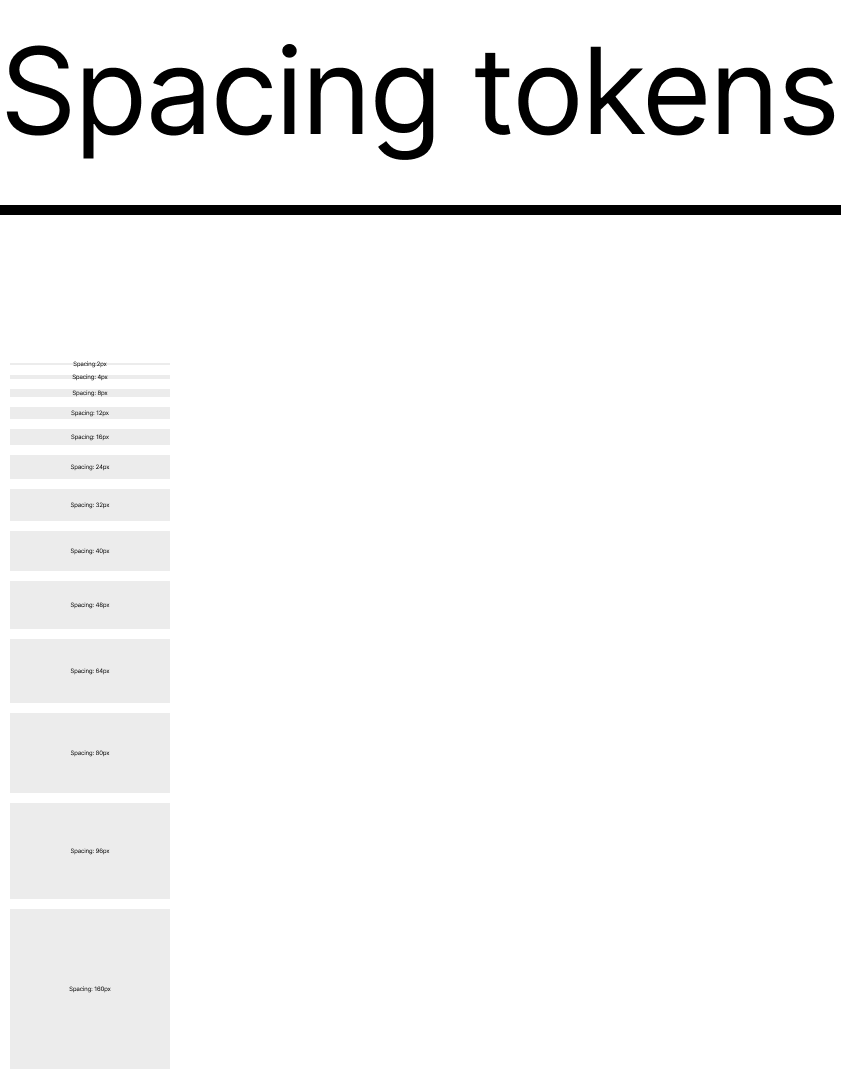
Design system
Reflection
This project reinforced an important lesson: visual richness does not automatically create perceived value. In industries where trust is critical, simplicity often communicates professionalism more effectively than animation-heavy interfaces.
The redesign was not implemented due to stakeholder decisions. However, the project strengthened my understanding of information hierarchy, trust-building design patterns and the relationship between business goals and user perception.
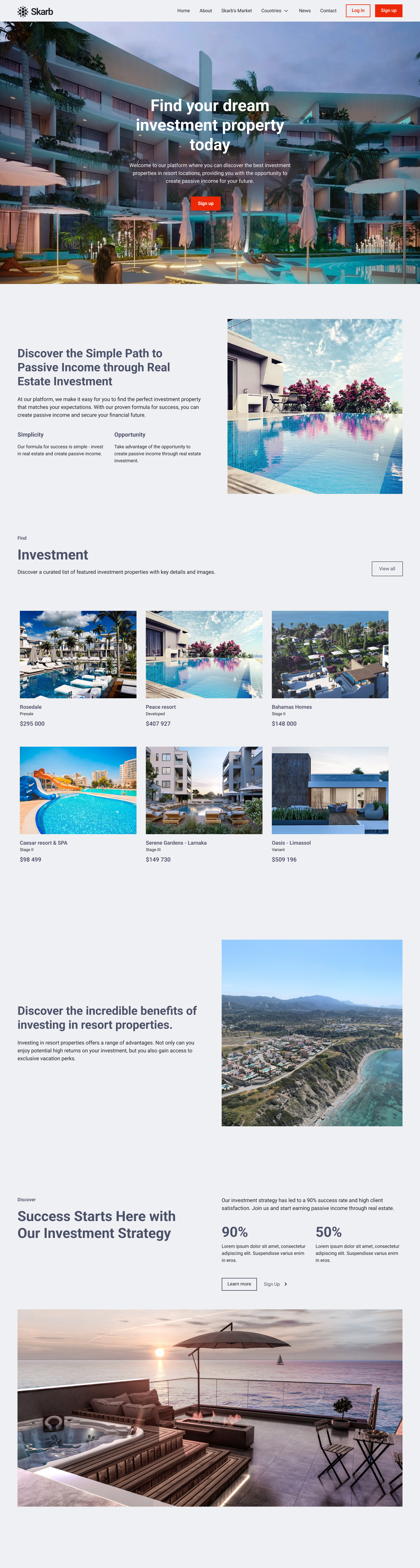
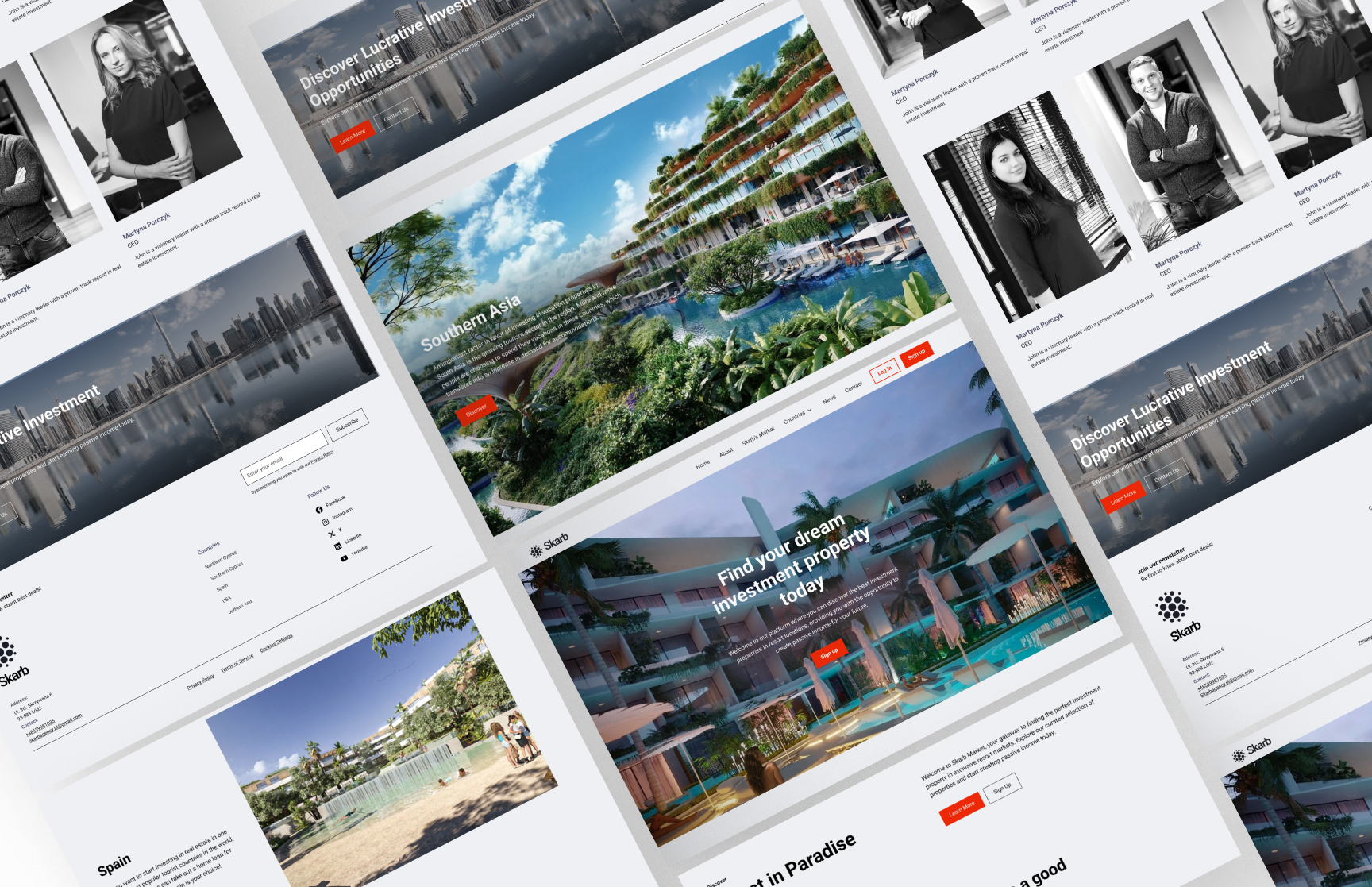
After:
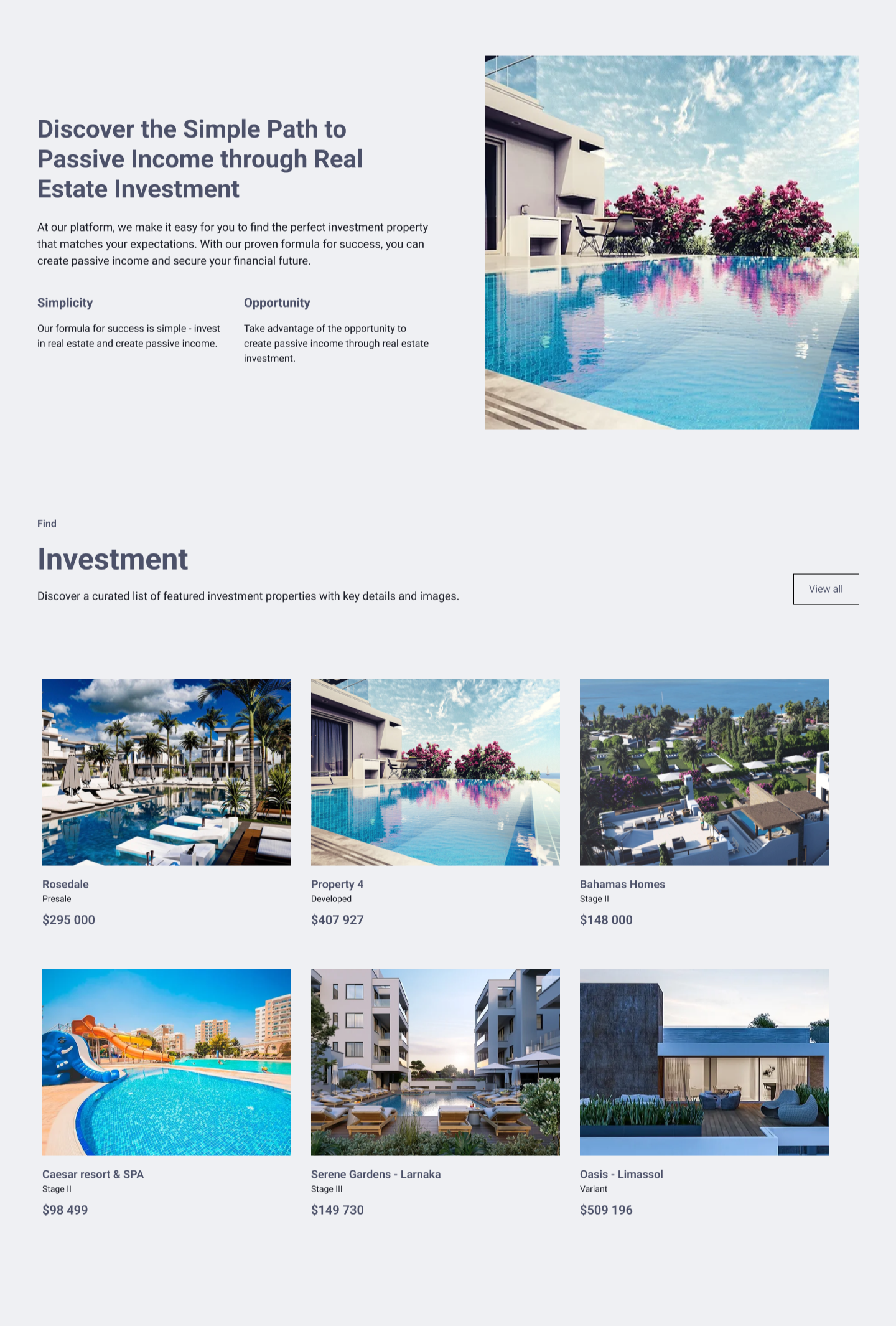
Large whitespace, clearer hierarchy and fewer visual distractions.
More editorial layout, stronger typography and professional imagery.
Properties became the primary focus of the experience.
Reduced Visual Noise
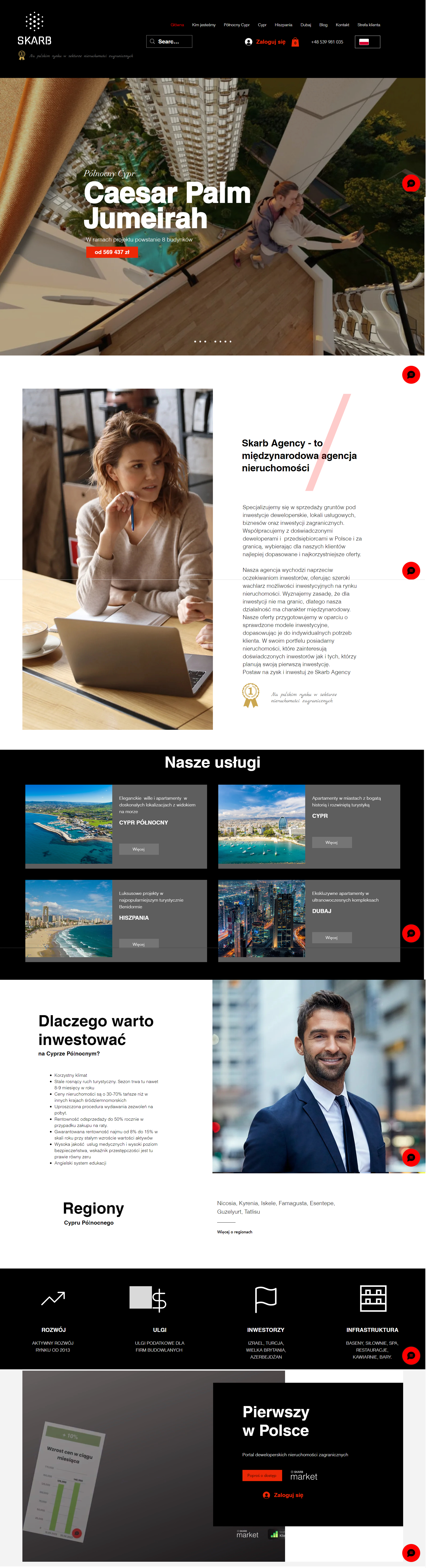
Before:
Dense layouts, multiple animations and competing messages.
The website resembled a promotional landing page.
Users needed to navigate through large amounts of marketing content.